Frequently Asked Questions
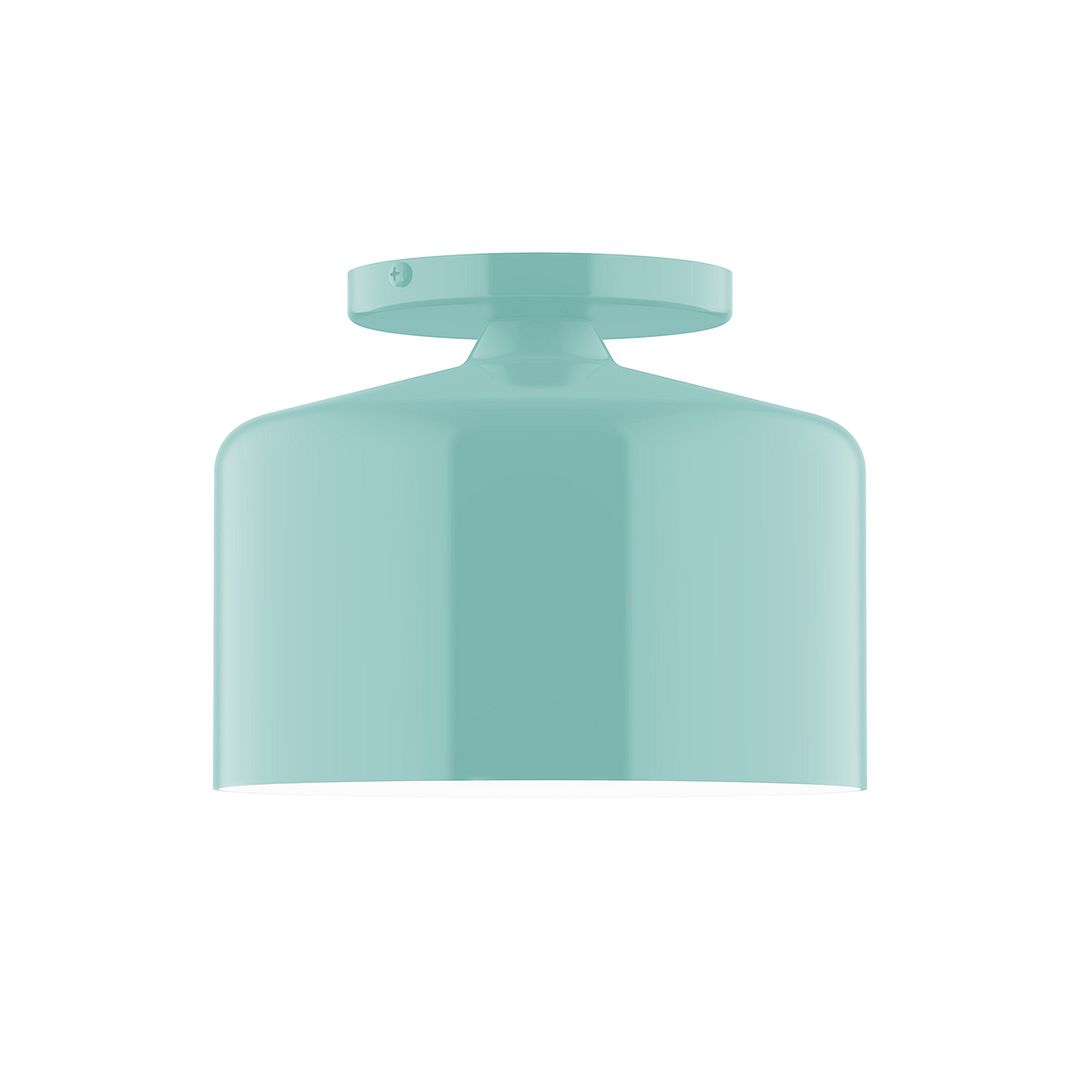
A flush mount installs directly against the ceiling, while a pendant hangs below it on a cord or rigid stem. Flush mounts are the practical choice for low ceilings, hallways, and anywhere headroom matters, because nothing extends down into the room. Pendants trade some clearance for presence — they draw the eye and place light closer to a surface like a table or counter. Many shade styles in this collection are available in both formats, so you can pick the mounting type by room rather than compromising on the look.
A flush mount is the best ceiling light for low ceilings because it mounts tight to the ceiling with no hanging drop. This keeps the full height of the room usable and avoids fixtures at head level in walkways. If you want a pendant look in a lower-ceilinged room, choose a compact shade and confirm the fixture's overall height on its product listing before ordering, so you know exactly how far it will extend down from the ceiling.
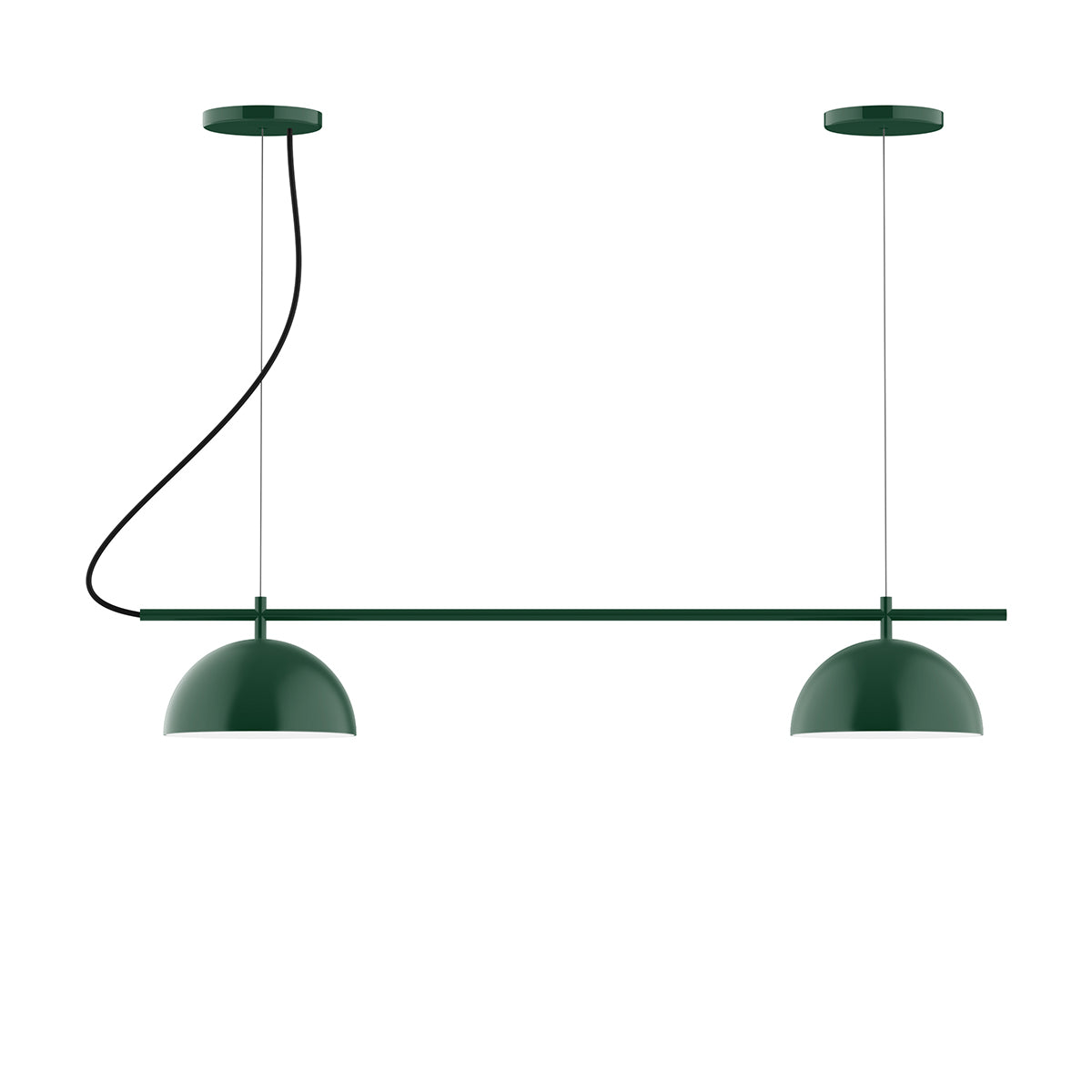
Choose based on the length of your island: a single pendant suits a small island, a row of matching cord hung pendants suits a medium one, and a multi-light stem hung pendant covers a long island with one fixture. Multi-light fixtures in this collection come in 2-light, 3-light, and 4-light configurations, which spread illumination evenly along the counter instead of leaving dark gaps. Whichever route you take, check the shade diameter on the listing so the fixture's scale matches the island's proportions.
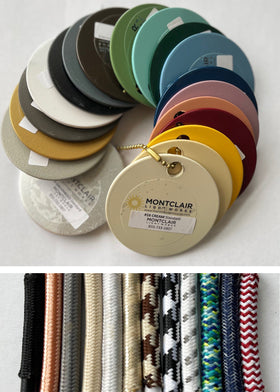
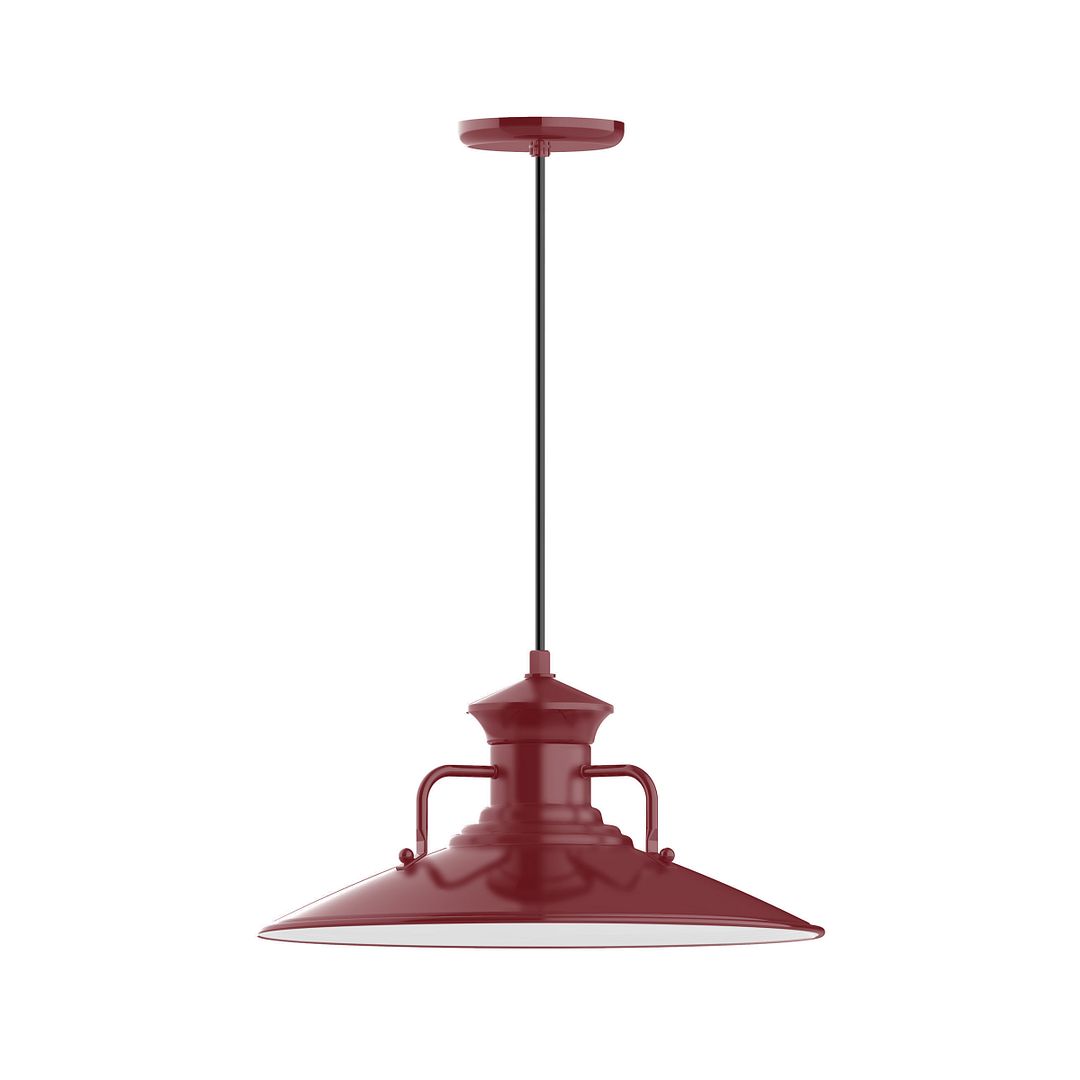
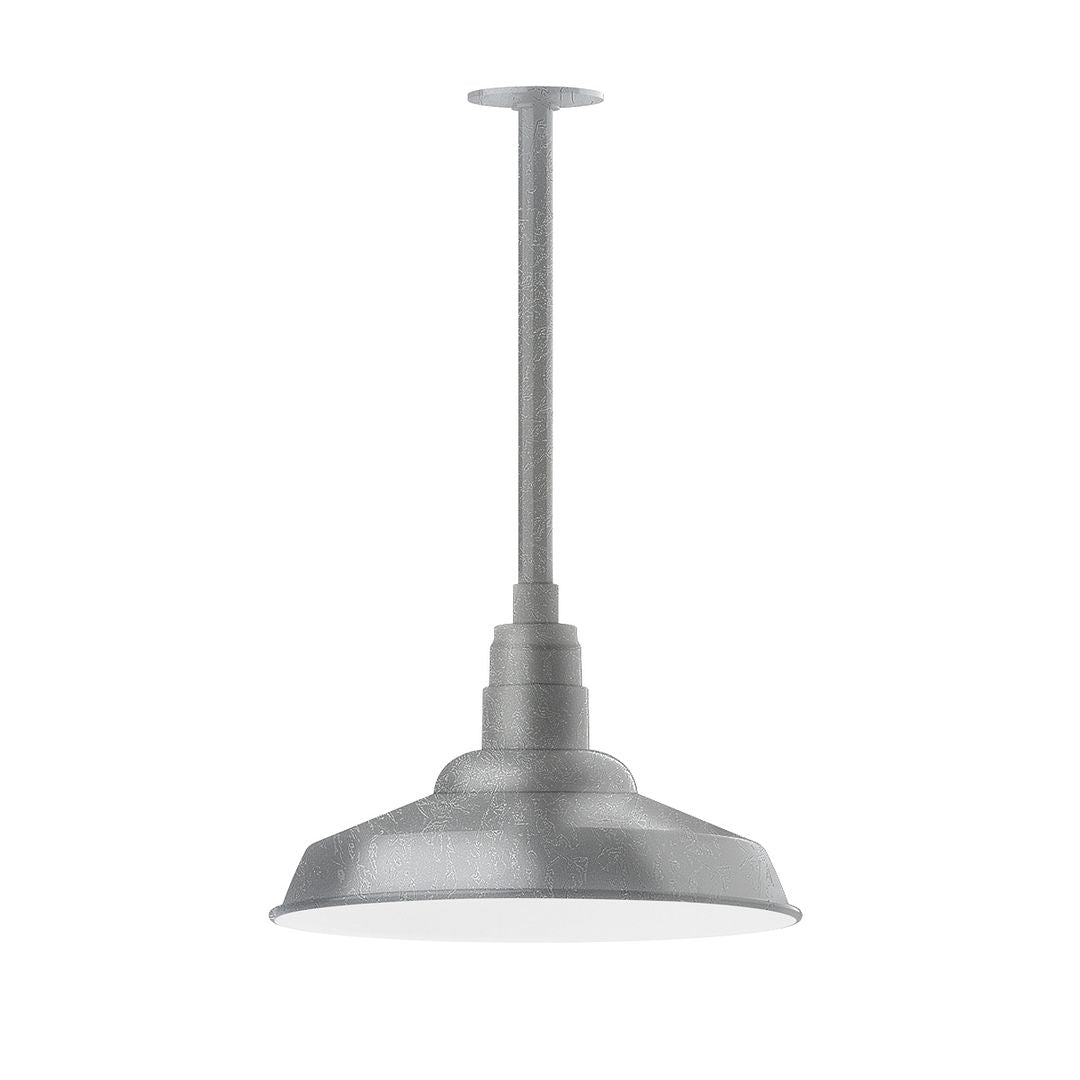
This collection includes chandeliers, cord hung pendants, stem hung pendants, multi-light stem hung pendants, and flush mount lights. Within those categories you'll find a wide range of shade shapes — including Warehouse, Deep Bowl, Cafe, Schoolhouse, Radial, Atomic, and caged Vaportite designs — in sizes from compact fixtures up to larger statement shades. Each style is offered across multiple painted finishes, from classics like Black and Architectural Bronze to colors like Barn Red, Navy, Sea Green, and Bright Yellow.
Yes — mixing ceiling light types room by room is standard practice, and it usually looks better than forcing one fixture type everywhere. The key to making it feel cohesive is repeating an element: the same finish color, the same shade family, or the same metal accent. For example, a Warehouse pendant over the kitchen island, a Warehouse flush mount in the hallway, and a matching wall light by the back door read as one considered scheme, even though they're three different fixture types.
Choose a ceiling light color based on the role you want the fixture to play: neutrals like Black, Slate Gray, and Architectural Bronze recede and let the room lead, while colors like Barn Red, Navy, or Bright Yellow turn the fixture into a focal point. In rooms with mostly white or wood tones, a single colorful fixture adds personality without repainting anything. If you're unsure, pull a color that already exists in the room — tile, textiles, artwork — and echo it in the shade.